Mentoring in the Masonry Industry
Words: Curtis Hoover
Words and Photos: Curtis Hoover
As we begin the new year and the need to get more young people in the trade, I can only think of how I had gotten my start. The most influential mentor to me was my masonry instructor in high school, and knowing it was a public-school teacher and it was his job, Mr. David Shoemaker went far and beyond his job expectations as a teacher and mentor.
Today all programs have a curriculum that they have to follow for the school system. This includes both written and hands-on training. The written portion of the curriculum is challenging for most students and has many challenges. This is where we are teachers and supporters. We all know that the hands-on classroom training is nothing like being on a jobsite, but it offers many students the opportunity to hone their skills and get an idea of what the site would be like.
What is exciting to say is that you are going to have mentors throughout your career; typically, the first ones are your parents, family and teachers. As a young man getting into the trade, I had no idea the impact Mr. Shoemaker made on me and my career until later in life. His lessons represent many everyday thoughts.
As a masonry instructor, you are automatically a mentor to your students. I followed Mr. Shoemaker's "footsteps". I decided to become a teacher as my primary career and a mason as a secondary career. I can see the impact that what I have been taught and now shared with my students has had on their careers. Being a teacher is rewarding; being a mentor is just incredible. There is no monetary compensation that a person could receive that would cover the feeling you get from watching someone that you cared about, worried about and worked like crazy to train become successful. Being that person that the student looks up to for guidance not only in the trade but in skills to succeed in life is the greatest feeling.
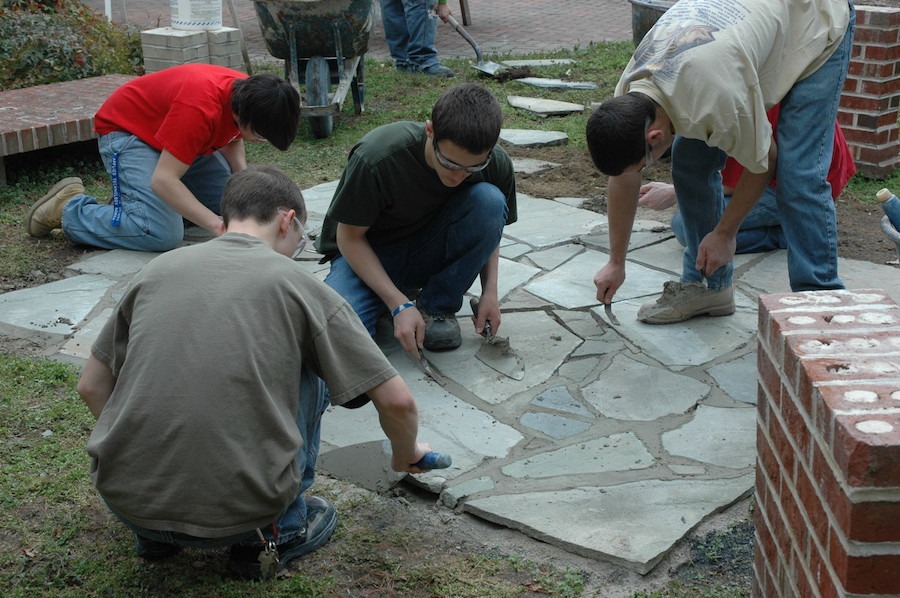
Mentors on the job are different from the classroom, and you will have multiple ones, according to Mike Campanile, an instructor from Carroll County Career & Technical Center in Westminster, Maryland. He has had many in his career as a third-generation mason. He started with his father's first company, and his first mentor was a laborer that showed him how to properly set up a material for whatever type of wall they were building. Mike learned to measure sand and cement ratios with proper consistency but also admitted he still struggled with the proper amount of water to add. He worked with the same laborer when it came to learning about safety and the proper way of building a scaffold. The same laborer even taught Mike about the safe and proper forklift skills that he still uses today in his masonry laboratory. Mike now takes these same skills to teach his students. This is just one of many instructors that I have experienced that they use in their teaching from when they were mentored.
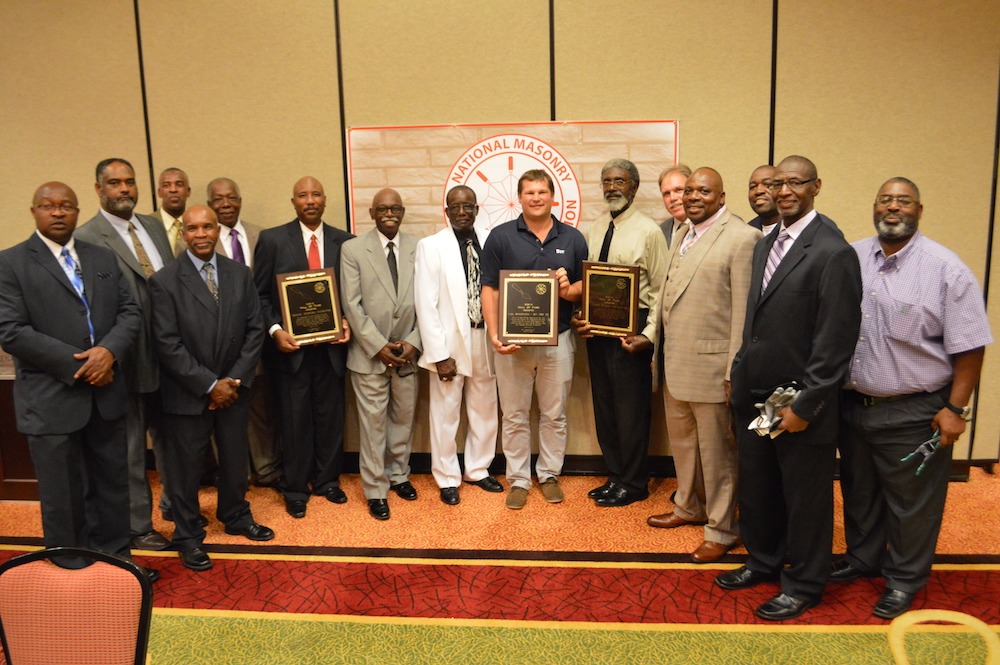
Some of the mentors that I have had the honor of meeting over the years of my career are Bryan Light, for many years of running the national championship for Skills USA and encouraging each competitor to do their best; Ryan Shaver, for taking over for Bryan and kudos for what he has done with the North Carolina Masonry Contractors Association apprentice programs; Milton Young, Alanzo Lewis, James Ham, Robert Campbell and Eugene Johnson for starting the National Masonry Instructors Association that mentors not only the students but also the instructors, especially new instructors like Fred Campbell (Three-Time Bricklayer 500 Champion). Fred started his own training program for apprentices.
When you go to mentor a person, ask them about themselves and state to them this will be confidential; if they want to tell you their story, ask them who was the most influential person in their life in choosing their career and how they did it. A good mentor has the desire to develop and help outline to see them succeed.
Don't be overly critical of their mistakes because you will need to remember two things. First, you were not born with your skills, so give a little leeway; your patients will keep the trainee's ability to continue to learn their skills. And second, praise them for their work; it usually takes all they have when they are trying to learn. If you can mentor, please do as soon as possible; the students need it as much as you will find out you need it.