Mortar and Grout: Mortar Field Testing

Be careful batching mortar by counting shovels. More and more inspectors are getting up-to-date with building code requirements that require them to monitor how mortar is proportioned in the field.

Mortar is an important part of any masonry project, but designers and inspectors place too much emphasis on jobsite testing to determine mortar strength. The reality is that mortar plays a very small role in defining the structural capacity of a masonry wall system.

It is not the mason’s job to test mortar, but every mason should know the basics of mortar testing to make sure their work is not held up by test labs that don’t follow the test method. Here are some things to look for.

Do your project specs even require mortar testing? Mortar testing is not a code requirement - neither the International Building Code (IBC) nor the Masonry Building Code (TMS 402) call for jobsite mortar to be tested.
  • According to Code (IBC and TMS 402), mortar quality assurance is carried out not by testing but by reviewing submittals and observing how mortar is proportioned in the field.
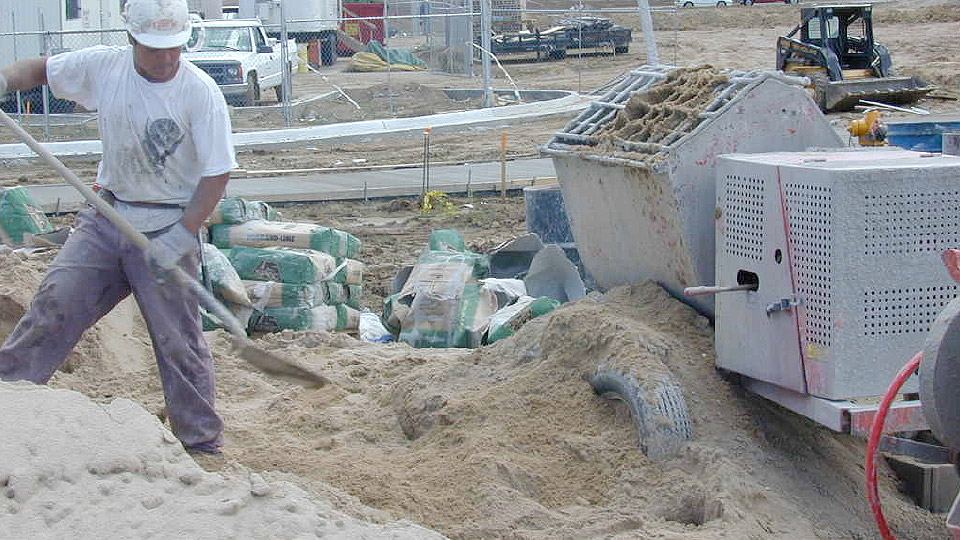
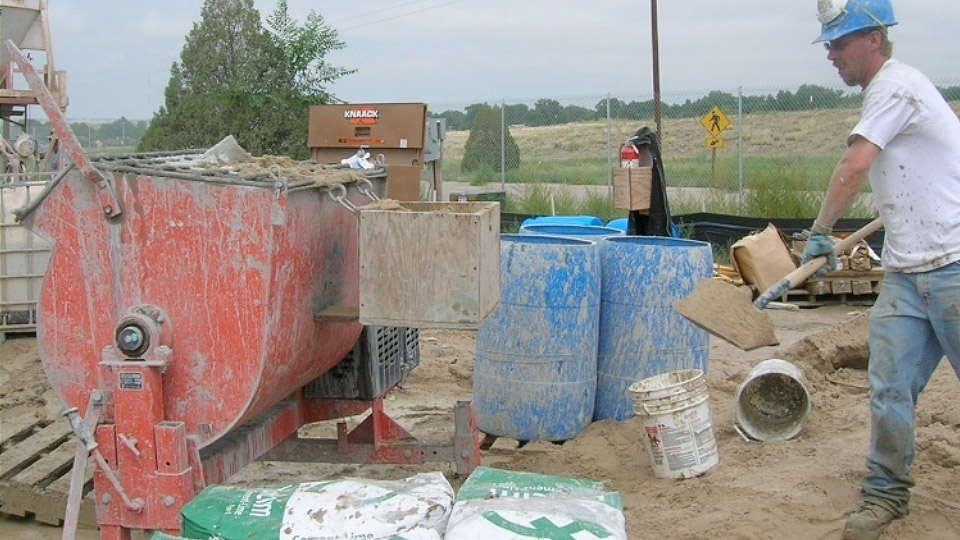
  • If you are batching mortar in the field, the inspector may make you measure sand for each batch using either a cubic foot box or buckets. Cement and lime come in 1-cubic foot bags. The sand volume has to be consistent, and that usually means using a cubic foot box (12” x 12” x 12”) or with 5-gallon buckets (1 ½ buckets or 7 ½ gallons is one cubic foot). (See photos)
  • If you are using pre-blended mortar – in bags or silos – mortar proportions are based on manufacturer’s cut sheets.
This contractor fixed a 12” x 12” x 12” plywood box to the mixer using eyebolts and chain links. Fill up the box with a shovel, then tip your cubic foot of sand into the mixer.

Even though tests are not required by code, some specifiers still call for mortar strength tests. Here are some things to watch for.

  • Mortar field tests are done following the field testing methods of ASTM C780. Many specs wrongly call for mortar tests to follow ASTM C270, which is a laboratory method.
  • Mortar samples can be made in a 2” cube mold or using 2” x 4” plastic cylinder molds. Mortar is pressed into the molds using a special rubber tamper to remove all air voids.
  • According to ASTM mortar samples have to remain in place on the jobsite for 20 to 28 hours. Samples are stored on the jobsite in an insulated container, kept damp, and in an area where they won’t be vibrated or disturbed.
  • A min/max thermometer must be placed with the mortar samples and if the temperature range of the samples ever gets below 40° or above 90° the samples are supposed to be thrown out.
  • If you have questions about a test laboratory’s masonry experience, make sure they meet the requirements of ASTM C1093, Standard Practice for the Accreditation of Testing Agencies for Unit Masonry.
  • Even better, check that the laboratory technician is certified for testing masonry. The Masonry Society (TMS) and the American Concrete Institute (ACI) will certify masonry lab technicians that take a course and pass a test. This certification program is brand new and only a few people are certified now, but more and more technicians will become certified in upcoming years. See www.masonrysociety.org for more information.
From Raw Material To Art: Bringing Toothless To Life
December 2025

“The next project is already waiting in the wings, but that’s another story.” That was how I ended my article on the T-60 helmet from the world of Fallout in the July 2024 issue of Masonry Magazine. And that is exactly where this new chapter begins.

Outreach Outlook: A Year of Momentum and Building Our Future Together
December 2025

As 2025 draws to a close, it’s a natural time for reflection. This month marks a personal milestone for me, my one-year anniversary as the National Director of Youth Outreach & Education. What an incredible year it has been for the newly established Outre

GEN NXT: Logan Sullivan
December 2025

This month, the MCAA got to talk to Pennsylvania native Logan Sullivan. A young mason starting out in the industry whose enthusiasm for the craft of bricklaying is evident. His passion and genuine love for the craft could be felt throughout the interview,

The 2026 Masonry Innovations
December 2025

Be the first to know what's to come in the new year! The masonry industry is always advancing, from new material color-ways to brand new technology, see what our MAP Members are bringing to the table in 2026!