Ambach Masonry Construction, Inc.
MCAA: Tell us about the history of your company.
John Ambach: I began my career in masonry when I started in a four year apprenticeship in June of 1966 after graduating high school. I came to Florida in 1970 and started working as a mason for Cook and Pruitt Masonry Contractors in St. Petersburg. I later became a superintendent for the company.
My wife and I started our masonry company in 1982. We began doing residential and small commercial projects and progressed through the next thirty years to doing commercial, industrial, healthcare and educational facilities. Over the past few years we have had more than one hundred and ten full time employees. We have also taken an interest in the restoration and preservation of historical brick buildings.
I have been a participant of the Masonry Association of Florida since its inception in 1987. I was President of the Central Florida Chapter for two terms and served as state President for one term. I also received a Lifetime Achievement Award from the Masonry Association of Florida in 2002.
MCAA: What do you think has been the key to your company’s success?
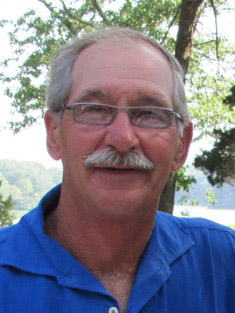
John Ambach
Ambach: I have a great wife who handles the financial and day-to-day office duties, including payroll. I surround myself with very talented and professional people. I am involved on a daily basis with current projects and I never expect anyone to do anything that I would not do myself.
MCAA: What advice would you offer a budding mason contractor?
Ambach: Controlling growth is the hardest thing to do. Be selective on the projects you are awarded. Bigger is not always better. Pursue projects that compliment and challenge you and your qualified personnel. Always have a backup plan for the unexpected.
MCAA: What do you feel is the masonry industry’s biggest challenge in the future?
Ambach: Over the past few years, due to the shortage of qualified masons, alternative products have hurt the masonry industry. Insulating concrete forms, effis and tilt slab have taken a tremendous amount of work away from the masonry industry in Florida. We must continue to train good masons in order to bring back the market share to the masonry industry. Masonry is still the only product that is virtually maintenance free and will last more than one hundred years.
MCAA: What is your favorite aspect of being a member of the MCAA?
Ambach: The information we receive about the masonry industry. From the endless resources concerning safety and technical information on the website to the information we get from the monthly magazine. It is valuable in every aspect of the masonry industry today.