Weeps: Masonry Weeps
Words: Donald Alward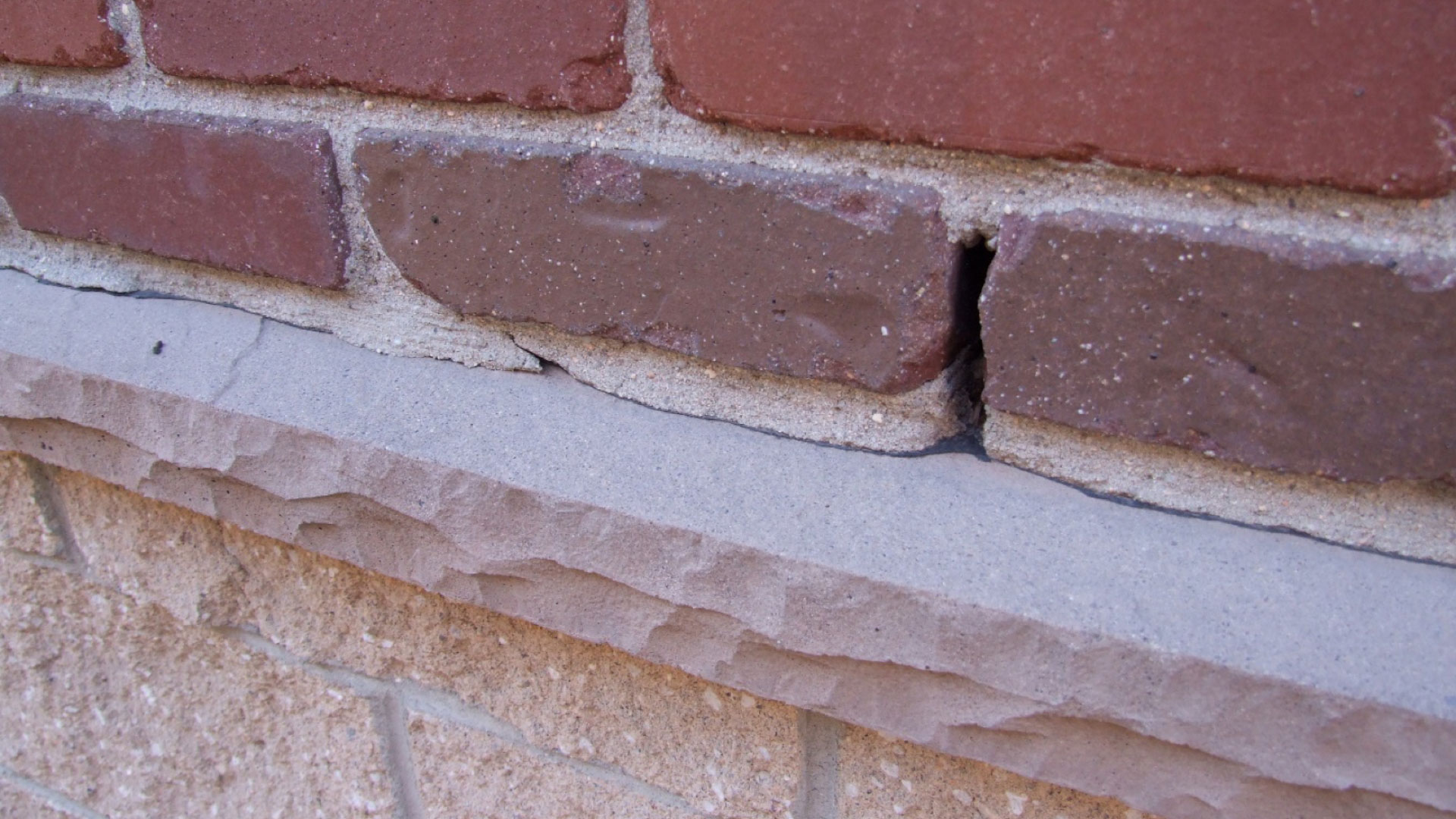
Figure 1. Open head joint used as a weep in brick veneer.
“There is a certain pleasure in weeping.”
- Ovid
It is unlikely that the ancient Roman poet had masonry cavity walls in mind when extolling the pleasures of “weeping”. However, a mason can certainly take pleasure in well-designed and well-installed weep vents in modern masonry. After all, these weeps are integral to the function of cavity wall veneers, and they should be celebrated, even if many designers want to hide or (worst of all) eliminate them.
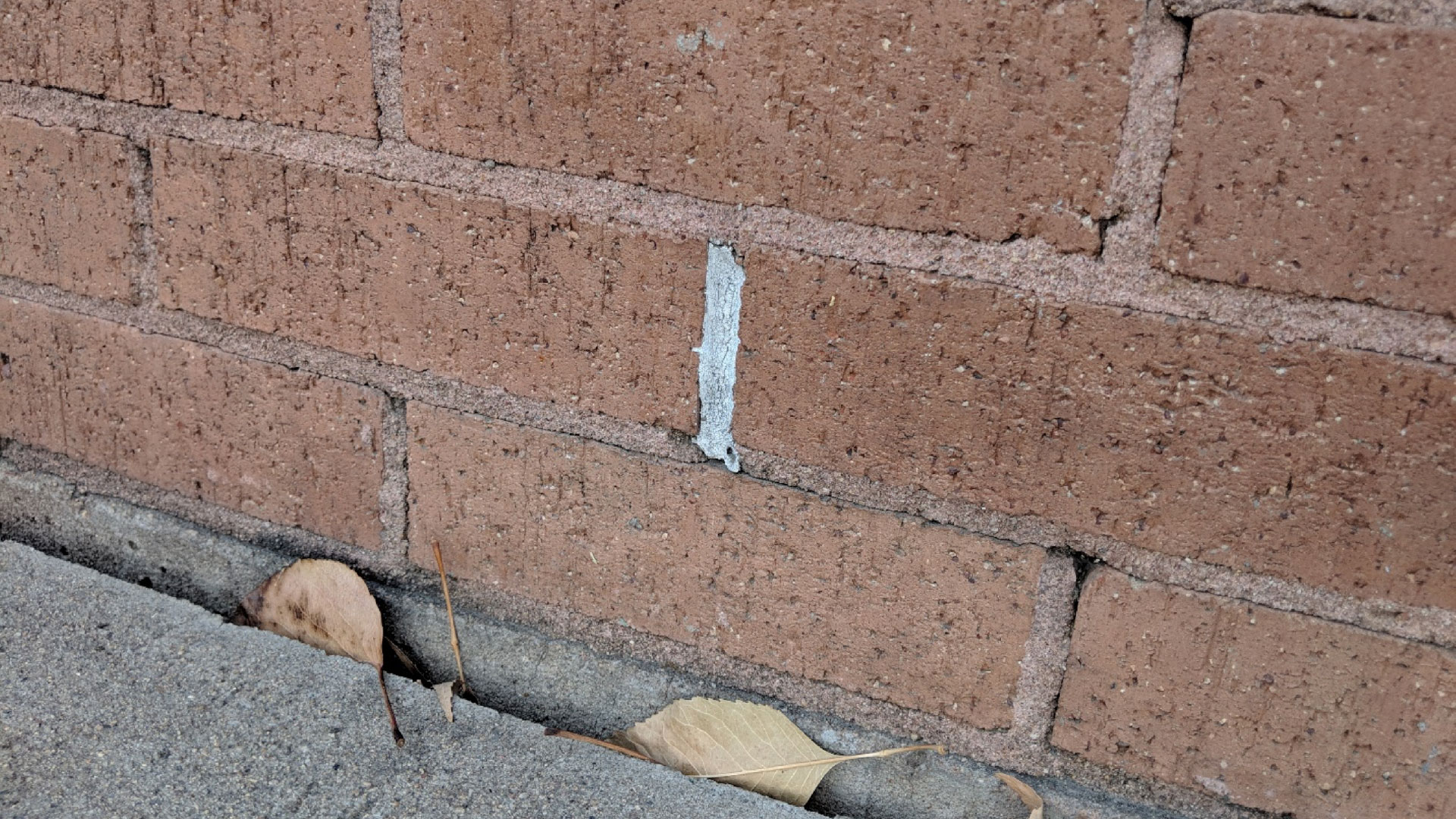
Figure 2. Location where an open head joint has been sealed after the initial construction. A roof downspout discharge is nearby that likely was wetting the wall in this area.
There are numerous products and systems available for creating weep vents in masonry walls. However, the original means of creating weeps was simply to leave head joints open occasionally (Figure 1). This method of weeping is obviously very efficient in terms of water and air flow through the opening, and it is still described as an acceptable method of weeping masonry in many industry publications, including the Brick Industry Association (BIA) Technical Note 7. However, open head joints can be problematic primarily in two ways: insects and other pests can enter the wall cavity through open joints, and open joints can be sealed closed by well-intentioned maintenance workers, especially if there are leaks in the wall in the vicinity of the weeps (Figure 2).
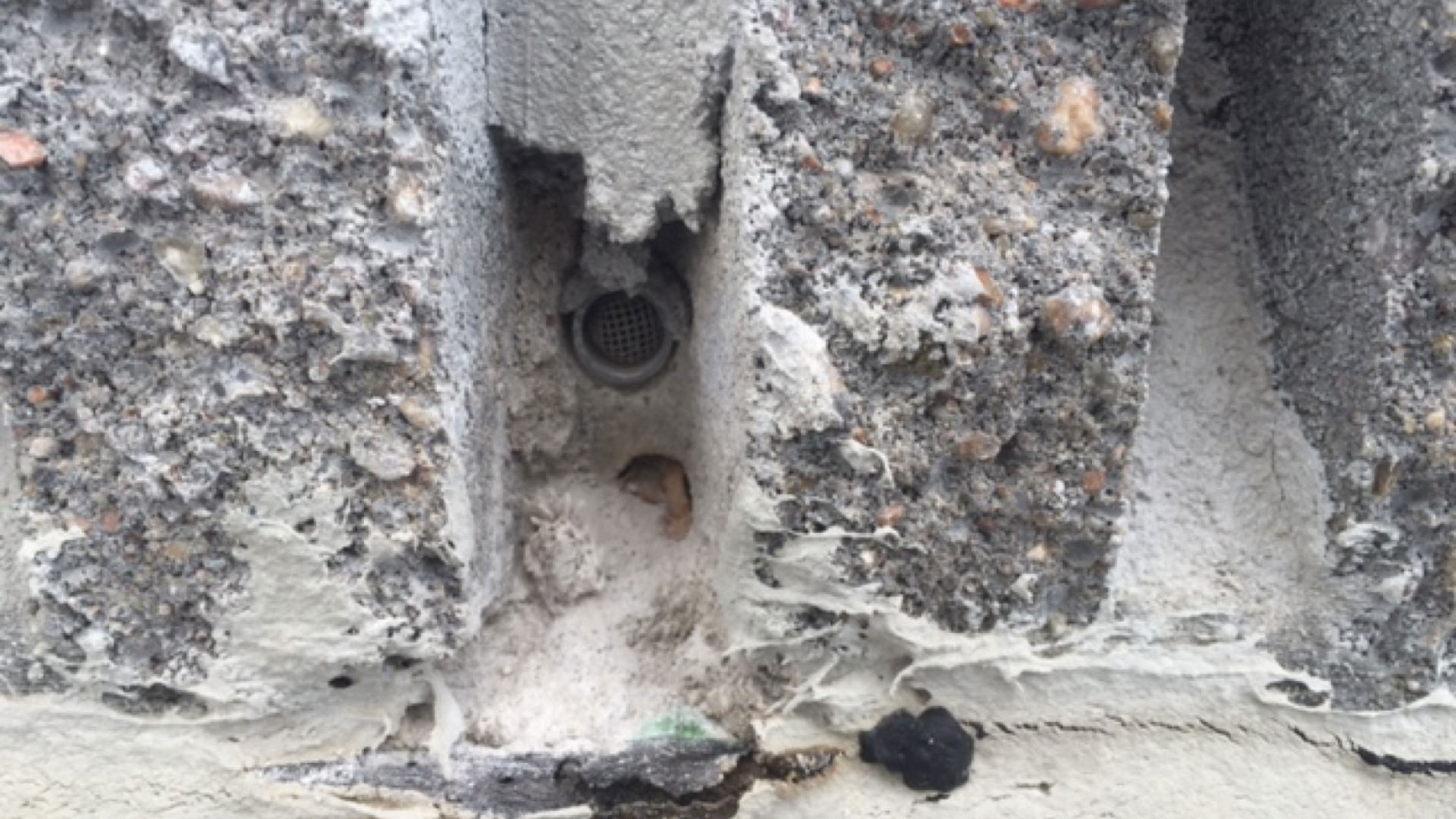
Figure 3. Plastic tube with screen used in a concrete block veneer.
Therefore, filling weep vent openings with a mesh or grid that still allows ample air and water flow but addresses the shortcomings of open head joints is often an advisable approach. The use of tubes is generally discouraged because tubes often still permit insect infiltration but are more likely to get clogged than other masonry weep methods. Tubes with screens help eliminate the pest concerns but can still pose clogging concerns (Figure 3).
...And then there are rope wicks...
I think a little science lesson might be beneficial as an introduction to rope wicks. A paper was written in 1900 and published in 1901 in a scientific journal called Annalen der Physik. This paper evaluated the phenomenon of capillarity, the primary mechanism by which water moves through rope. The author proposed, in part, that capillary action is related to the atomic weight of liquids. As it turns out, this has been shown to be completely wrong. The author of this scientific article was a man by the name of Albert Einstein. You may not need to be “an Einstein” to build a masonry wall, but you apparently have to be smarter than Einstein to understand how a rope wick works, a process that involves numerous variables including temperature, humidity, permeability, sorptivity, and degree of saturation. Even if you master the equations, the reality of rope wicks is that they tend to transport moisture into a wall cavity as well as out of it, and they are extremely inefficient at draining water and ventilating air through a masonry cavity. While not technically prohibited by industry publications, rope wicks are strongly discouraged for use in most masonry applications.
A question that is becoming more frequently asked involves the use of weeps or vents near the tops of masonry cavity walls. Obviously, the position of these openings away from flashing penetrations means that they are not designed to allow moisture to drain out of the wall cavity. The purpose of top-of-wall weep vents is to promote air circulation or ventilation in the cavity behind the masonry. Generally, this air circulation promotes quicker drying of the wall cavity, since humid air can escape and be replaced by outside air more readily. Some argue that these vents at the tops of wall cavities also allow additional water into the cavity, especially during wind-driven rain events. However, water is almost certainly penetrating the masonry during these rain events, anyway, and this water can be drained out by the flashing and weep system at the base of the wall. The primary benefit of additional ventilation is drying out of the masonry (and any standing water) after the rain event is over. Since water that is trapped tends to find unwanted paths for infiltration over time, the idea of venting cavities to minimize this type of water after rain events makes sense. However, the efficacy of top-of-wall vents is not yet firmly established nation-wide. Local climate, design, and construction preferences should be considered when evaluating this option.